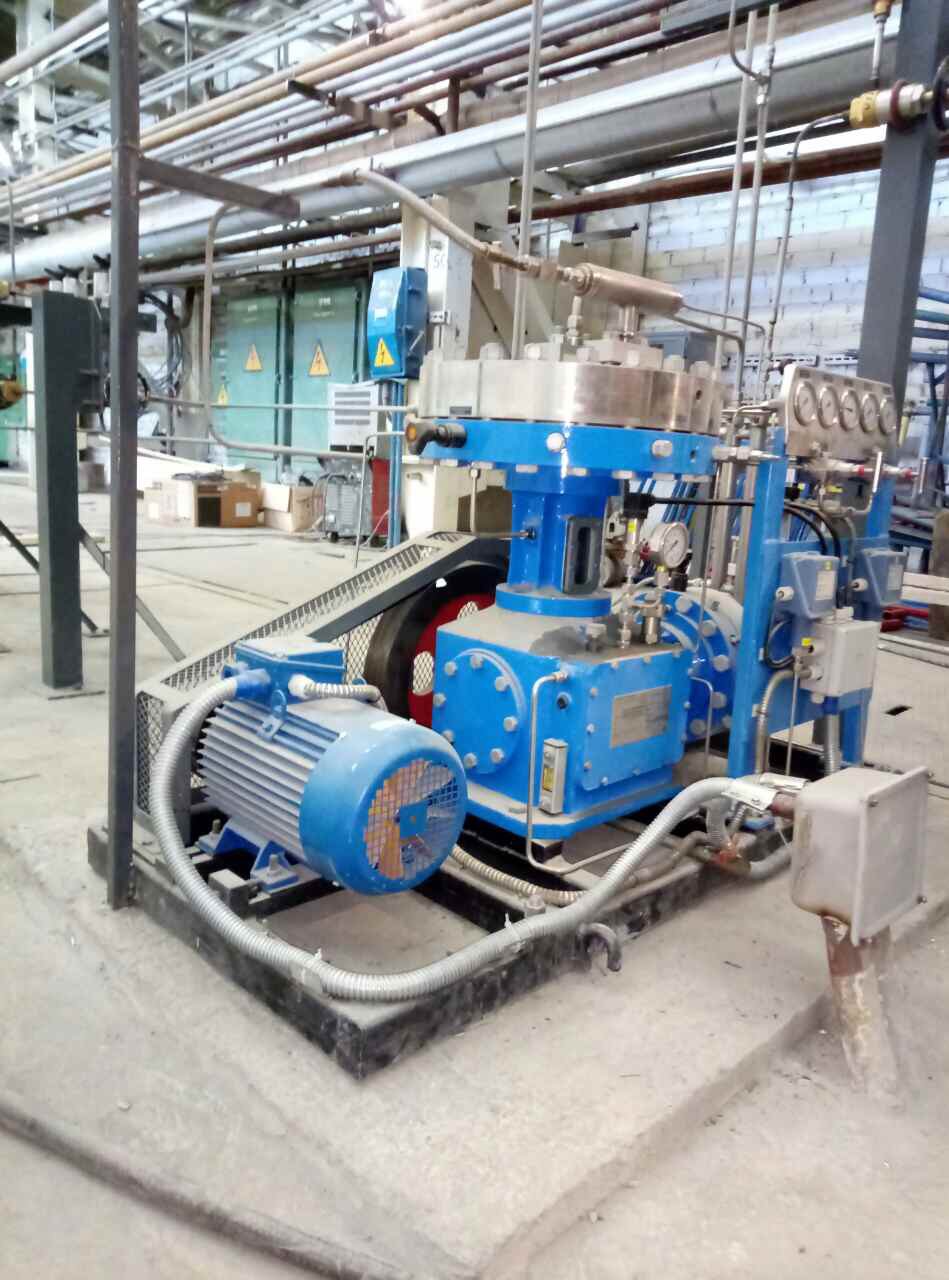
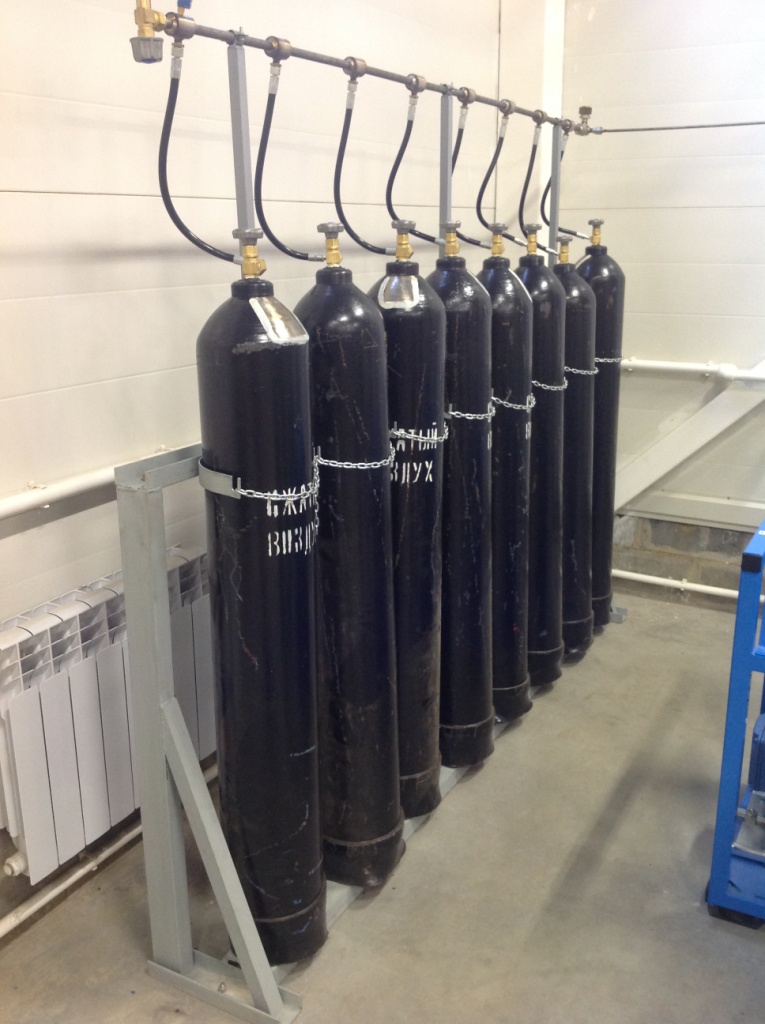
Can you seriously damage a high-pressure compressor worth hundreds of thousands of euros simply by using the wrong oil?
How can a €300 consumable lead to a major overhaul and weeks of equipment downtime?
And why are there no “small details” in high-pressure compressor maintenance – even when it comes to oil, component cleanliness, or an ordinary filter?
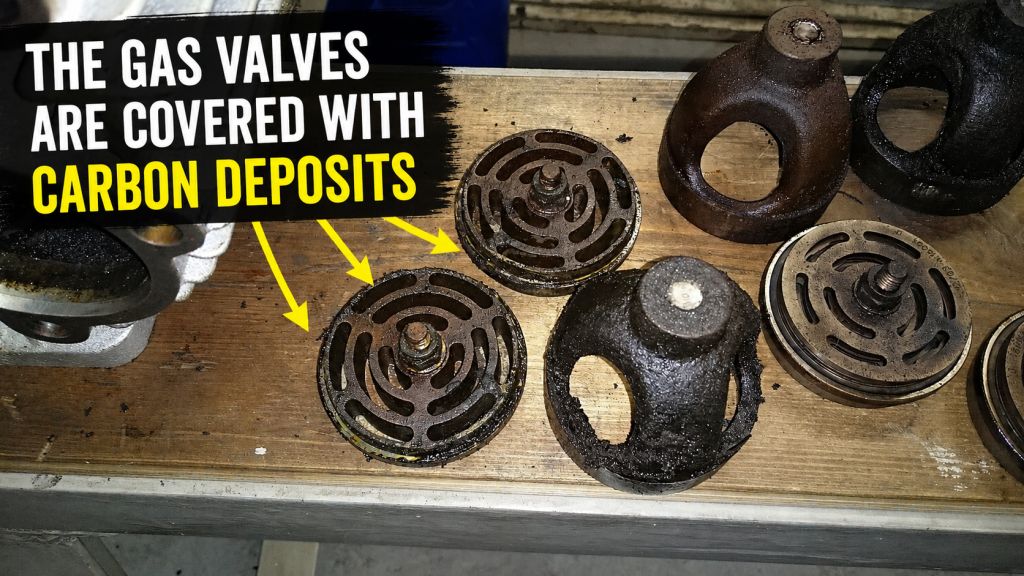
Let me share a story from my experience.
There is one thing that still surprises me.
We have had the Internet for more than twenty years. Google, YouTube, forums, manufacturers’ technical documentation – today there is so much information available that you can find an answer to almost any technical question within minutes.
So before pouring oil into an expensive high-pressure compressor, is it really so difficult to spend half an hour reading the manual, checking the manufacturer’s recommendations, comparing specifications and choosing a product that is actually suitable for the machine?
Apparently, sometimes it is.
How We Almost Killed a BAUER Compressor with the Wrong Oil
This happened about ten years ago.
One of our customers was operating a BAUER compressors.
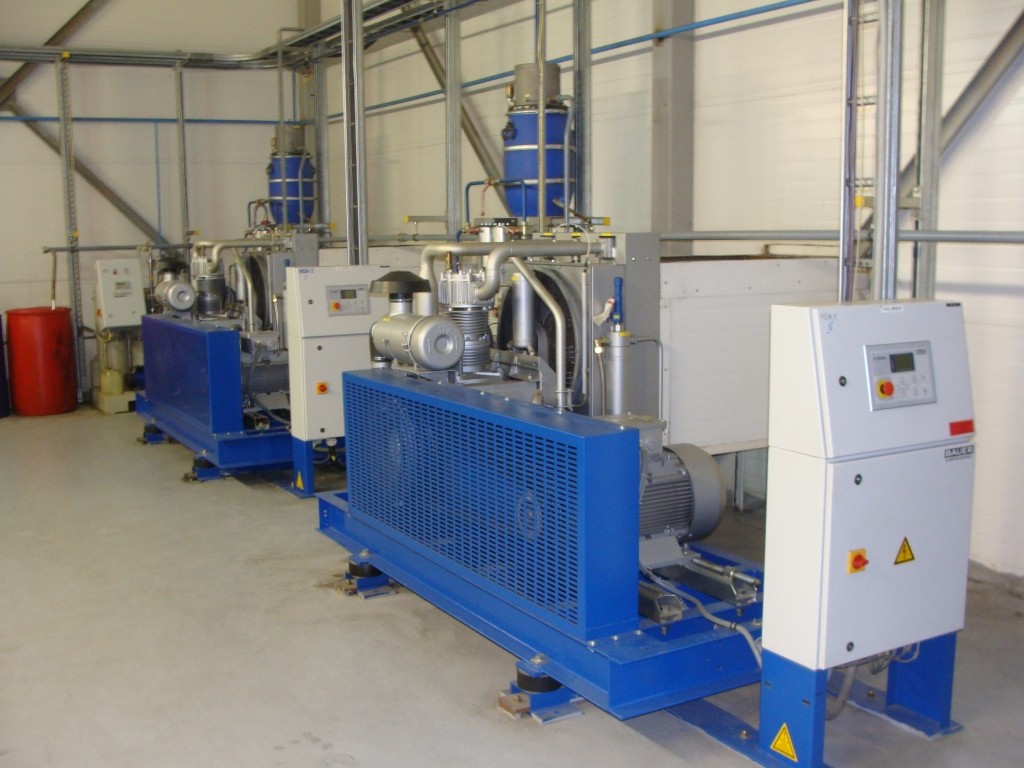
Bauer Kompressoren B 25.4-37
I have a lot of respect for BAUER. They make excellent, reliable machines. It is actually quite difficult to kill one of these compressors.
But, as it turns out, it is possible.
And you don’t need a major accident, extreme pressure, or some unbelievable operating mistake to do it.
Sometimes, using the wrong oil is enough.
Instead of using a proven compressor oil that met the manufacturer’s requirements, Liqui Moly oil was poured into the compressor.
At least it wasn’t sunflower oil.
We saw the consequences later, when we disassembled the machine.
The oil and resulting deposits had left the internal components in such a condition that ordinary maintenance was no longer enough.
The compressor needed a major overhaul.
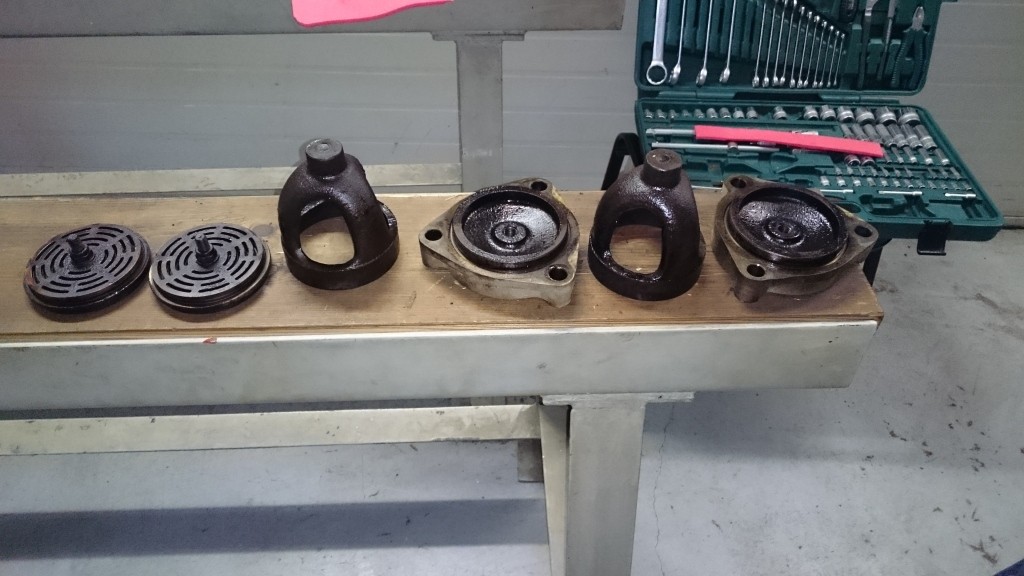
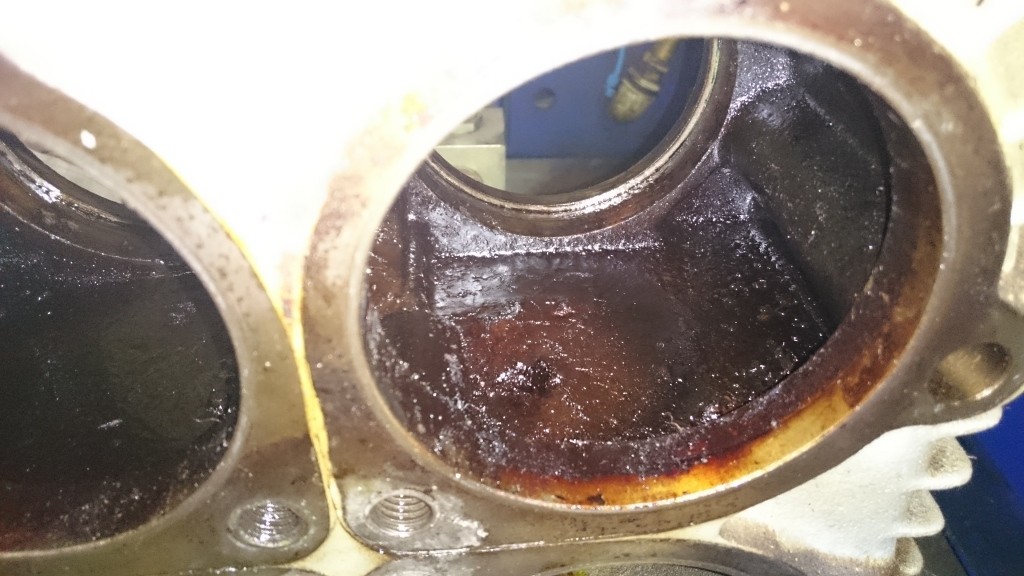
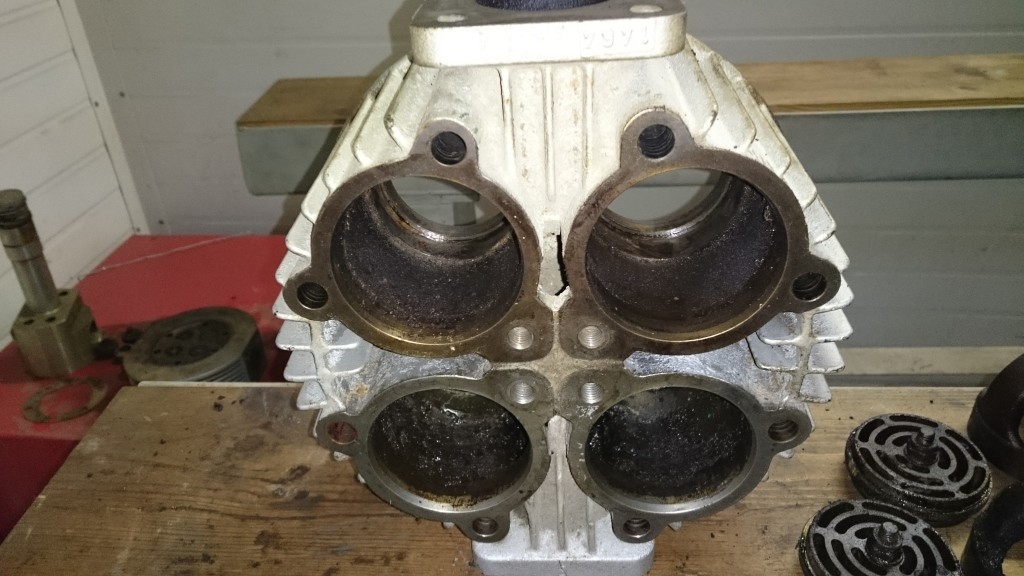
Disassemble. Clean. Reassemble.
We practically stripped the entire compressor down.
Some of the components were taken to another customer of ours who had ultrasonic cleaning equipment. Everything was thoroughly cleaned and inspected before we started reassembling the machine.
Basically, the usual major-overhaul procedure:
disassemble → clean → inspect → reassemble → start up.
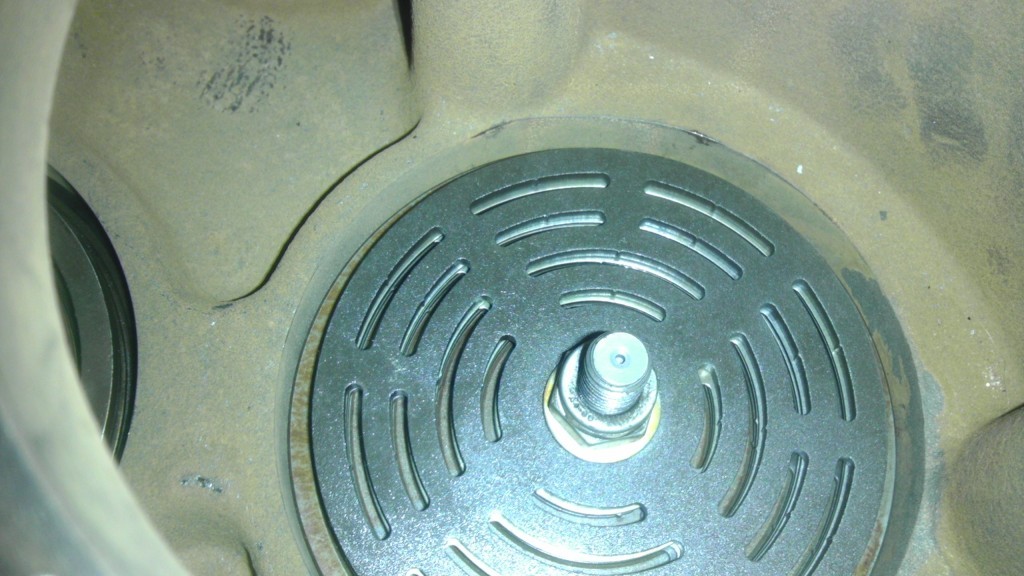
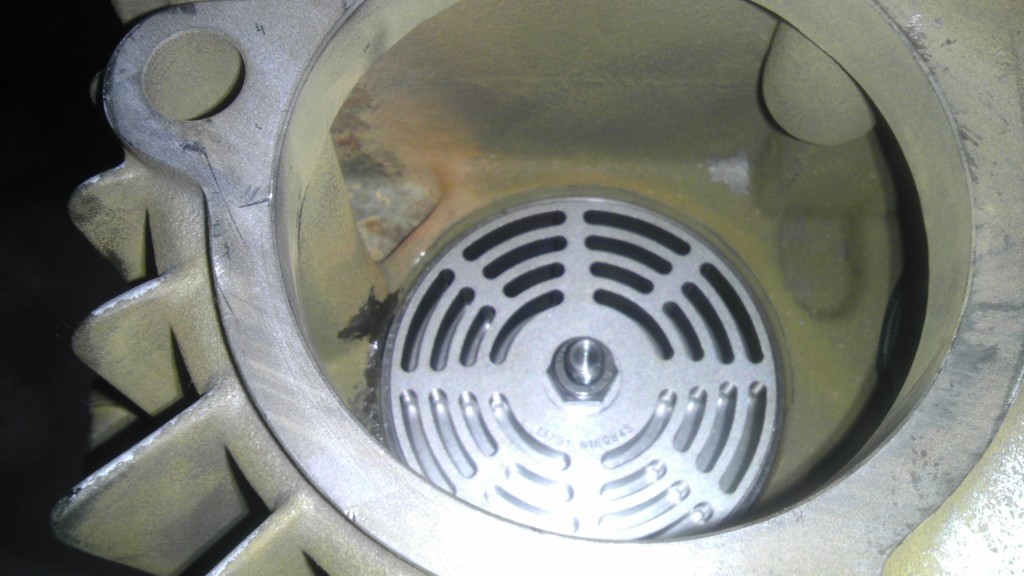
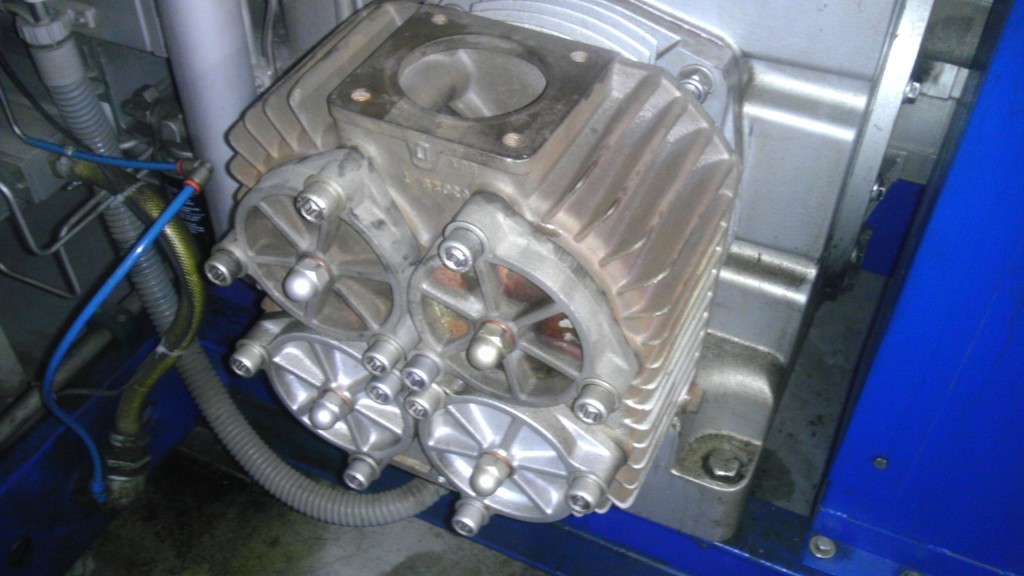
And all of this because someone decided to save money – or experiment – with a consumable costing only a few hundred euros.
After all my years working with compressors, I keep coming back to the same conclusion:
When it comes to reliable industrial equipment, simple and proven solutions are usually the best ones.
If the manufacturer specifies a certain type of oil and particular requirements for its properties, there is no need to try to be smarter than the engineers who designed the compressor.
There Are No Small Details in Compressor Maintenance
And this story isn’t only about oil.
Over the years, we have seen almost everything.
Wrong oils. Dirty filters. Contaminated piping. Foreign particles inside equipment.
Sometimes, during disassembly, we have even found flies, moths and cockroaches.
Yes. That happens too.
And then people ask:
“Why isn’t the compressor working?”
A high-pressure compressor operates with very small clearances, high temperatures, heavy mechanical loads and strict cleanliness requirements.
Something that may seem insignificant to a person can cause a serious problem inside a compressor.
So be careful when servicing your equipment.
The correct oil. The correct consumables. Clean components. Clean tools. Compliance with the manufacturer’s recommendations.
All of this costs far less than a major overhaul.
Sometimes saving a few hundred euros on proper maintenance turns into thousands of euros in repairs — plus weeks of equipment downtime.
And yes, even an excellent BAUER compressor can be almost destroyed.
All you need to do is start experimenting where there is absolutely no need to experiment.
Need Help with a High-Pressure Compressor?
If you need help or advice, feel free to contact me or leave a comment.
I will be happy to help you understand how to select the right high-pressure compressor, what auxiliary equipment may be required, what to consider when designing the complete system, and how to arrange the installation properly.
If you already have a compressor and are experiencing problems with operation, maintenance or repair, feel free to contact me as well. I will try to help you understand what to check and where to look for the cause of the problem.
It is much better to ask a question before purchasing, installing or servicing the equipment than to disassemble the compressor later and try to figure out what went wrong.
Wishing you reliable equipment – and fewer expensive experiments!
Regards,
Konstantin Shirokikh
.