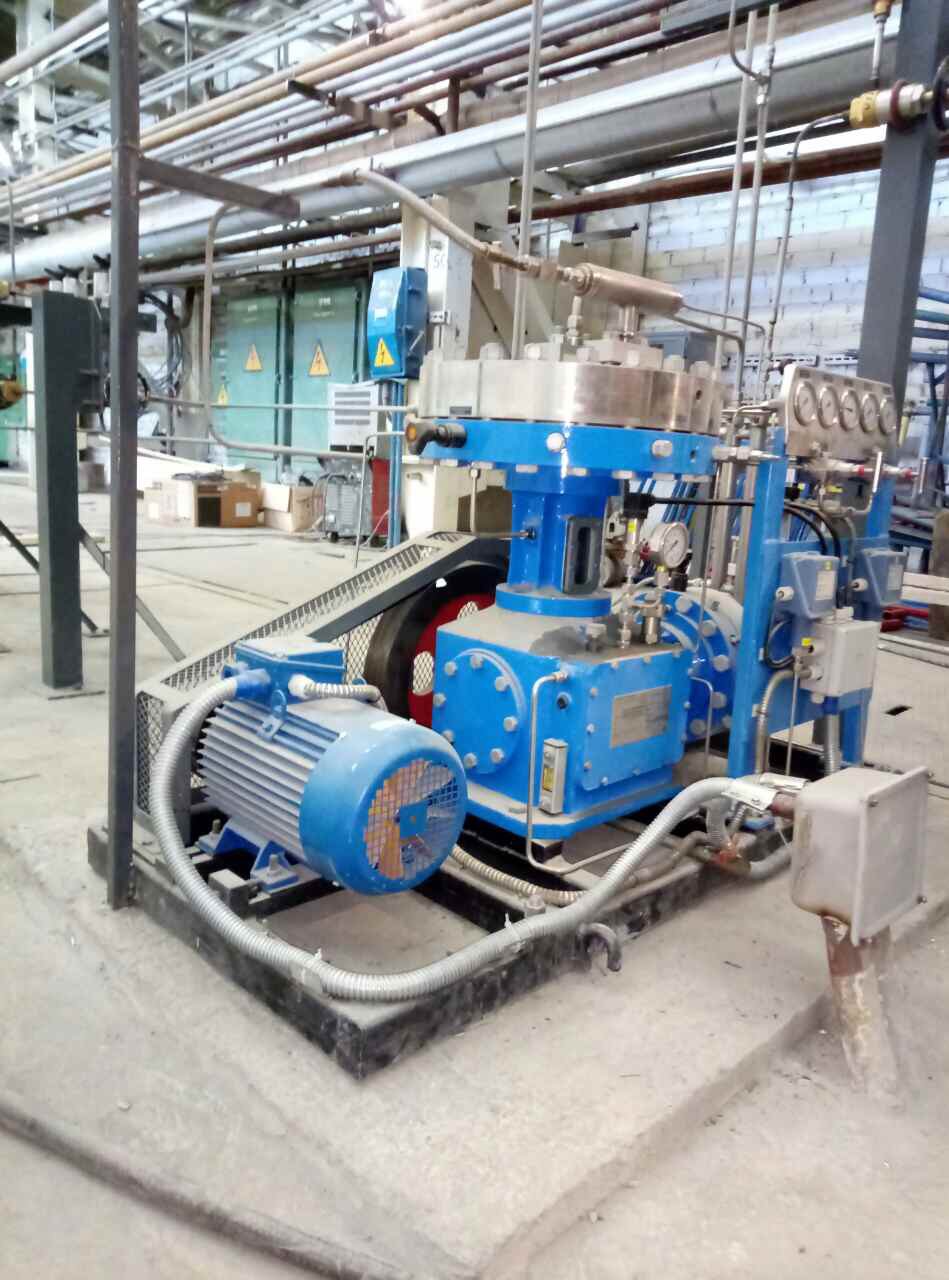
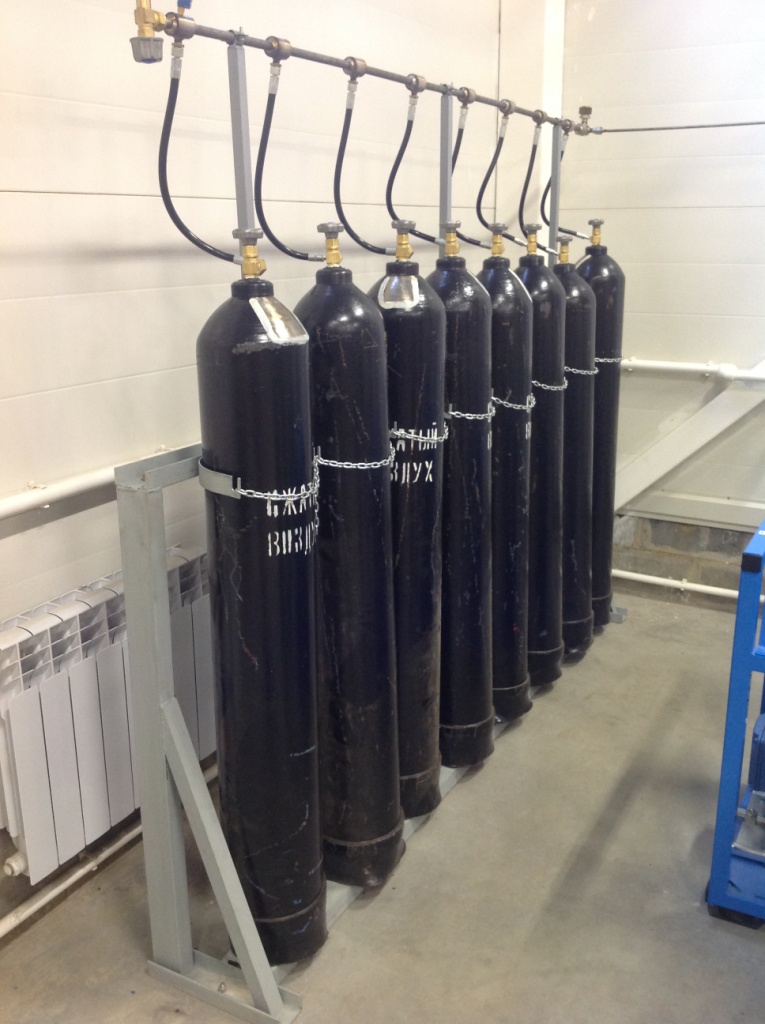
How can you tell a true professional from someone who is simply putting in eight hours at work?
Why is the phrase “But you didn’t order that” one of the biggest warning signs of a bad supplier?
How do you prepare a technical request if you don’t know all the technical details yourself?
And how can you tell, before buying the equipment, who will actually solve your problem — and who will leave you dealing with problems for years?
Let’s talk about that…
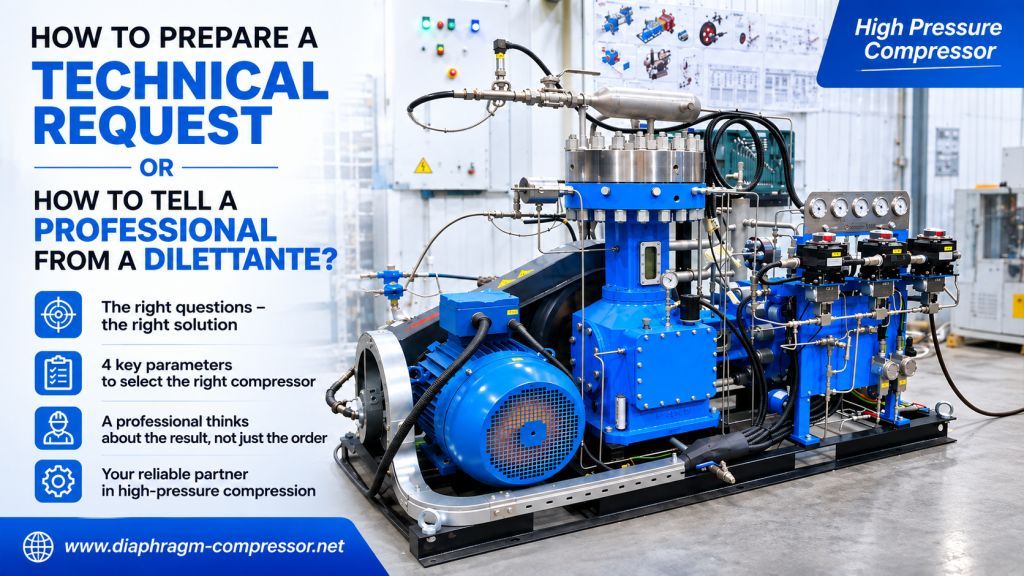
Hi everyone!
After more than twenty years working with compressor equipment, I have learned to recognize the difference between a professional and a dilettante fairly quickly.
And it is not really about degrees, job titles, or how many years someone has spent working at a factory. You can work as an engineer for twenty years and still have absolutely no interest in what happens half a meter beyond the boundaries of your own responsibility.
Or you can genuinely understand the whole problem you are trying to solve.
Those are the people I enjoy working with.
A Story I Have Never Forgotten
It was 2012. I was a young engineer visiting a compressor factory in the UK to inspect an 350 barg / 1000 Nm3/h air compressor before delivery.
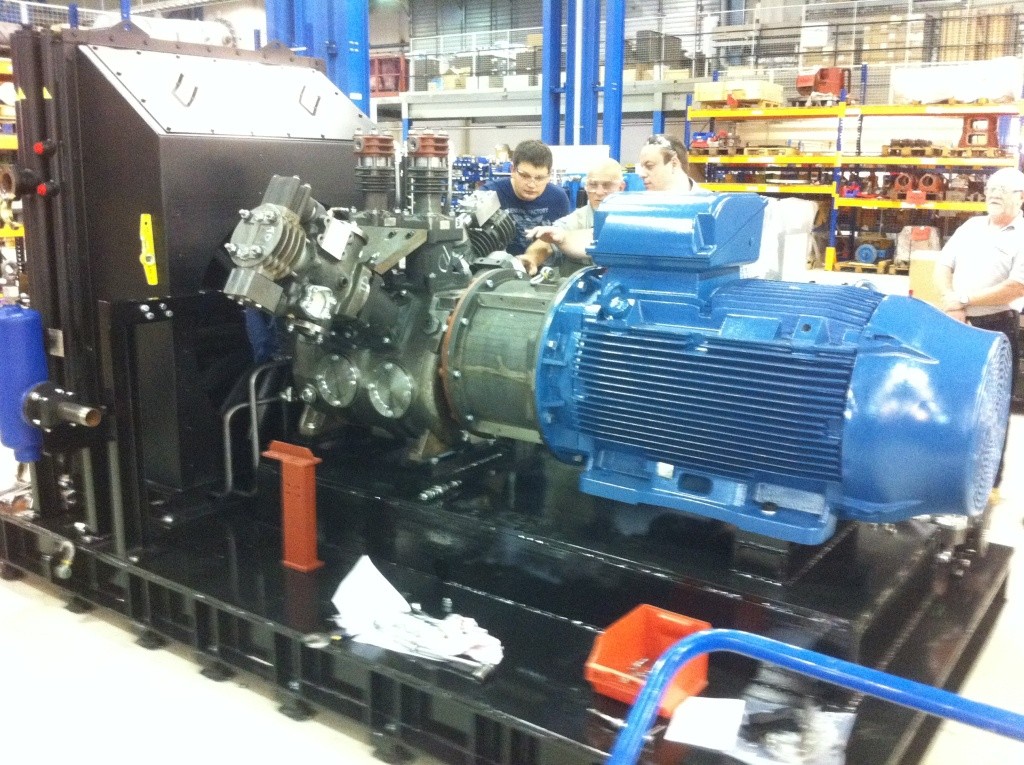
I was interested in everything. My English was terrible at the time, I did not have much experience, but I had a million questions.
I asked the engineer responsible for our project:
— Could you please explain how to select the right air dryer for this compressor?
His answer was:
— I don’t know. We manufacture compressors, not dryers.
Okay.
So I asked another question:
— Then could you at least tell me what we should pay attention to when installing the compressor? We are going to deliver it to the customer, they will start the installation — are there any important details we should know?
The answer:
— I don’t know. We are not an installation company.
Then we looked at the final drawings and discovered that they did not fully correspond to the compressor that had actually been manufactured.
Why?
Because the drawing showed the standard configuration, while actual configurations could vary.
That surprised me more than anything else.
Here was a young colleague standing in front of you who was genuinely interested in your equipment. You had spent your entire career working with compressors. How could you not be interested in what happened to your machine after it left your factory?
How would it be installed? How would the cooling system be arranged? How should the gas or air be treated? How should the dryer be selected? What problems could arise during operation?
You don’t have to be an expert in absolutely everything.
But a professional should at least understand the system of which their equipment is a part.
One of the Main Signs of a Dilettante
Over the years, I have noticed one particular phrase:
“How do you want it?”
There is nothing inherently wrong with the question. The problem starts when the supplier makes no attempt to understand the customer’s actual objective.
I am coming to you precisely because I don’t necessarily know how it should be done.
What I know is the result I need.
For example, I need to compress hydrogen from 10 bar to 400 bar at a capacity of 50 Nm³/h.
But what type of compressor should be used, how many stages it should have, what cooling system is required, and what else needs to be considered — that is exactly what I want to discuss with a professional.
There is another phrase I really dislike:
“But you didn’t order that.”
Especially when the problem is discovered after the equipment has already been delivered.
Formally, the supplier may even be right. That particular requirement really wasn’t included in the technical request.
But the customer came to a specialist precisely because the customer is not supposed to know every technical detail.
Imagine going to a dentist and, after unsuccessful treatment, hearing:
— But you didn’t ask us to do it properly.
Absurd?
The same thing happens in engineering.
When a professional sees an obvious gap in a technical request, they say:
“There is an important point missing here. Let’s discuss it.”
A dilettante says nothing, sells the equipment, and when the problem appears later, pulls out your technical request and points to it:
“See? You didn’t specify that.”
Legally, perhaps everything is perfect.
From an engineering perspective, it is a failure.
Don’t Try to Write the Perfect Technical Request the First Time
This is probably my most important advice to anyone purchasing complex industrial equipment.
If you are not a specialist in that particular field, don’t try to put absolutely everything you found on the internet, in old projects, or in someone else’s specifications into your first technical request.
Split the process into two stages.
Stage 1. Give the Supplier the Basic Parameters
For the initial selection of a compressor, for example, you can start with just four parameters:
- Gas — what are you compressing?
- Inlet pressure.
- Discharge pressure.
- Capacity.
That is the foundation.
Of course, a real project will involve many more parameters: temperature, gas composition and moisture content, purity requirements, hazardous-area requirements, ambient conditions, cooling, installation location, automation, applicable standards, redundancy, noise requirements, and much more.
But all of that can be discussed at the next stage.
At the beginning, you need to understand something else:
Who is actually capable of solving your problem? What technical solution are they proposing? And approximately how much will it cost?
Get several quotations.
And don’t look only at the price.
Pay attention to how the supplier works with you.
Stage 2. Don’t Just Evaluate the Equipment. Evaluate the People.
Suppose someone offers you a water-cooled compressor.
Ask them:
We don’t have cooling water available at our site. How would you suggest arranging the cooling system?
And see what happens.
Or:
The compressor will be installed indoors close to a working area, and we have strict noise requirements. What would you recommend?
Or:
Our gas is wet. Can it be fed directly into the compressor, or do we need gas treatment upstream?
This is where you very quickly discover who you are dealing with.
One supplier may answer:
— We only supply the compressor. Please contact a specialist cooling-system company.
Another supplier may call you and say:
— Let’s look at the whole system. What is your site like? What is the maximum ambient temperature in summer? Is there space for a dry cooler or chiller? How far will it be from the compressor? What electrical power is available?
They may not even manufacture or supply chillers themselves.
But they are thinking about your system as a whole.
That, to me, is a professional.
A Good Technical Request Is Created Through Dialogue
When purchasing complex industrial equipment, the customer cannot always prepare a perfect technical request independently.
And that is perfectly normal.
The customer understands their process.
The manufacturer understands their equipment.
A good project is created where these two areas of expertise meet.
So my advice is simple.
Don’t choose a supplier only because they have the nicest quotation or the lowest price.
Start by giving several companies the basic task. Get their proposed solutions. Talk to their engineers. Ask a few questions that go slightly beyond the four lines of your initial request.
Then see who is genuinely trying to understand your project.
Because you will see the price of the compressor in the quotation.
But sometimes you only discover the true cost of a dilettante after the equipment has been commissioned.
And if, when something goes wrong, the answer you hear is:
“But you didn’t order that,”
perhaps the supplier should have been evaluated more carefully when the technical request was first being prepared.
Need Help with Your Compressor Technical Request?
If you are currently selecting a compressor, preparing a technical request, or simply have doubts about some part of your project, feel free to email me or comment that post below.
I will be happy to take a look at your application, point out the parameters that deserve particular attention, suggest questions to ask potential suppliers, and highlight potential problems before they become expensive ones.
If we can offer a suitable compressor for your application, we will be happy to prepare a proposal.
And if we can’t, I will tell you honestly. Whenever possible, I will suggest who else you could contact and what you should pay attention to when evaluating their solution.
The most important thing is that your engineering problem is actually solved — and that the equipment works.
Good luck with your projects, and stay in touch!
Regards,
Konstantin Shirokikh
.